
3 Microgreens That Boost Gut Health, Energy, and Immunity in Just 7 Days (Even If You've Never Grown Anything Before)
- Microgreens contain up to 40% more nutrients than mature vegetables — making them one of the most nutrient-dense foods you can grow at home.
- Broccoli microgreens are packed with sulforaphane, a compound scientifically linked to detoxification and anti-cancer properties.
- Radish microgreens support gut health, digestion, and circulation — and are ready to harvest in just 5 to 6 days.
- Cabbage microgreens are rich in vitamins C and K, and visually striking with their deep purple stems and mild, sweet flavor.
If you're trying to eat healthier but feel overwhelmed by the kale smoothies, $15 juices, and endless supplement ads — you're not alone. What if there was a way to grow some of the most nutrient-dense foods on the planet using just a small tray of soil, a splash of water, and 7 days of patience? Food that not only tastes great but also helps reduce inflammation, detoxify your system, boost your energy, and improve gut health naturally?
That's not magic. That's microgreens. And in this post, Connor Hiebel, founder of Island Microgreens, reveals the top three microgreens to grow at home — even if you've never planted a seed in your life. These are the same varieties Connor has relied on personally since childhood to manage chronic inflammation, and the science behind them is compelling.
🎥 Watch: The Top 3 Microgreens for Health
▶ Watch the full video — Connor reveals the one microgreen that transformed his gut health and a secret growing tip he only shares at the end
Why Microgreens Are the New Superfood
Let's be honest: our food isn't what it used to be. According to recent research, iron and calcium levels in commercially grown produce have dropped by 31% and 60% respectively over the past 50 years. Combine that with widespread pesticide use — even on organic-labeled produce — and it's easy to see why so many people feel chronically tired, inflamed, and undernourished despite eating what they believe is a healthy diet.
Microgreens offer a solution you can actually trust, because you grow them yourself. Here's why they stand apart from everything else in the health food aisle:
- Up to 40% more nutrient-dense than their mature vegetable counterparts
- Grown indoors and pesticide-free — you control every input
- Takes just minutes a day to water and care for
- Requires no outdoor space or expensive equipment
- Can be grown on your kitchen counter year-round
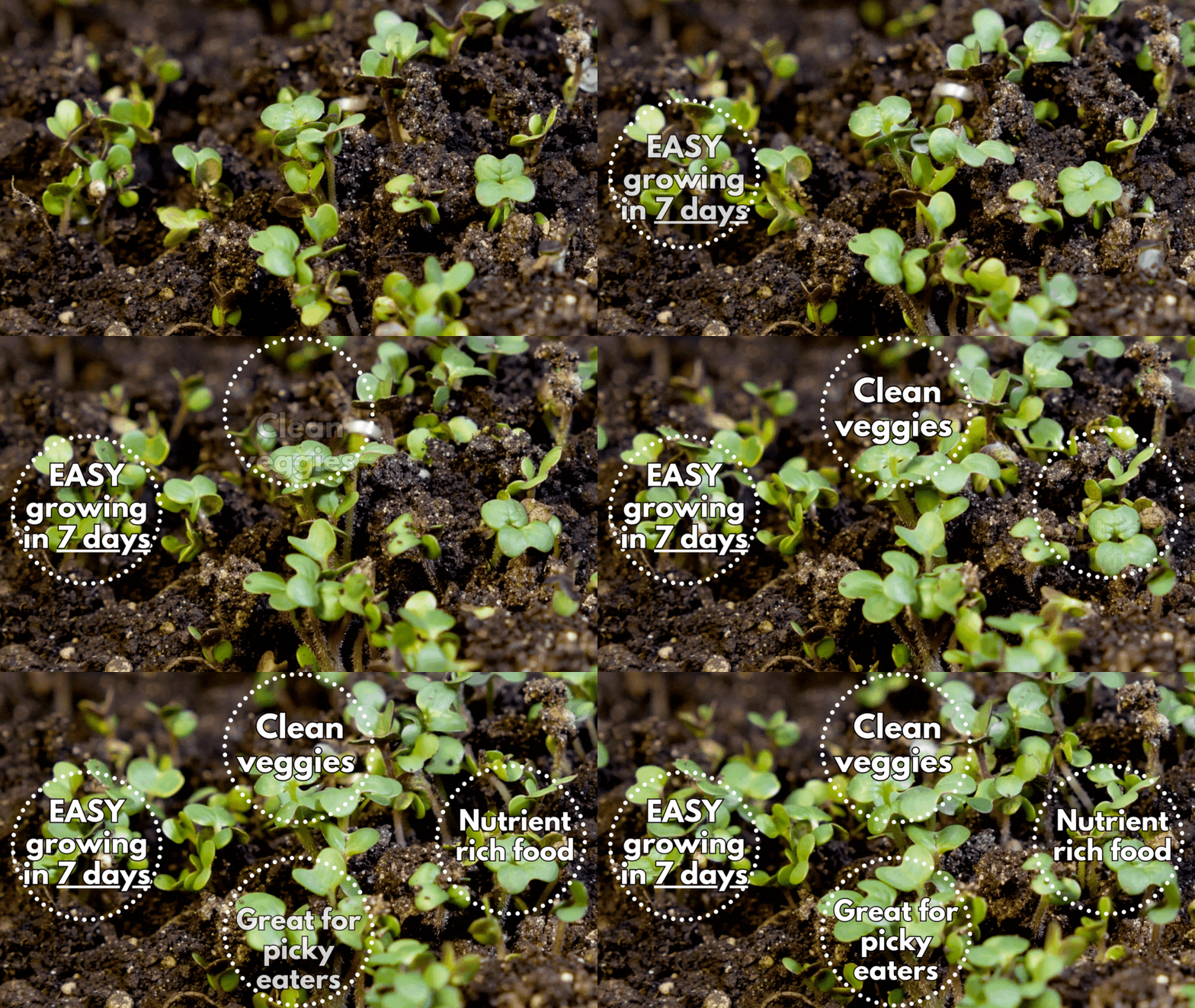
Want to Grow These 3 Varieties at Home?
Get the Island Microgreens Starter Kit — everything included, just add water.
1. Broccoli Microgreens: The Detox Dynamo
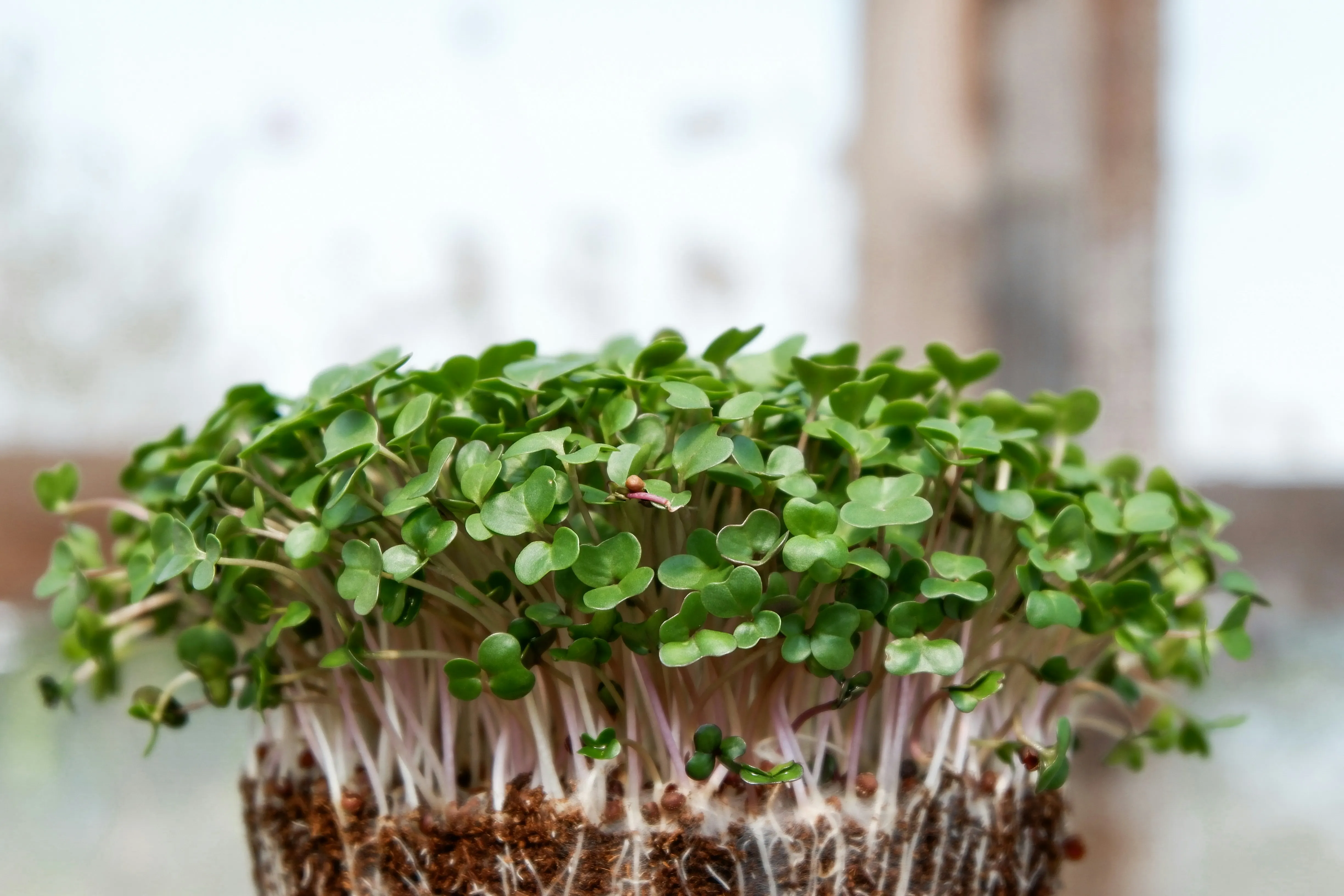
Broccoli microgreens are the undisputed champion of the detox world. They are exceptionally rich in sulforaphane, a naturally occurring compound that activates the body's own detoxification enzymes and has been extensively studied for its potential anti-cancer, anti-inflammatory, and neuroprotective properties. In fact, research from Johns Hopkins University found that broccoli sprouts and microgreens contain 10 to 100 times more sulforaphane than mature broccoli heads.
Beyond sulforaphane, broccoli microgreens are loaded with vitamins C, E, and K, along with beta-carotene and a broad spectrum of antioxidants that help neutralize free radicals and reduce systemic inflammation. Their flavor is mild and slightly earthy — easy to blend into smoothies, layer into wraps, or toss into salads without overpowering other ingredients.
Do not cook broccoli microgreens. Heat degrades sulforaphane rapidly. Add them raw to finished dishes — on top of soups, mixed into salads, or blended into cold smoothies — to preserve their full nutritional potency.
- Flavor profile: Mild, slightly earthy — easy to add to any dish
- Harvest time: 7 to 9 days
- Key nutrient: Sulforaphane — linked to detoxification and anti-cancer activity
- Best for: Liver support, inflammation reduction, immune health
- Included in the Island Microgreens Starter Kit — because they're simply that good
2. Radish Microgreens: The Gut Health Game-Changer
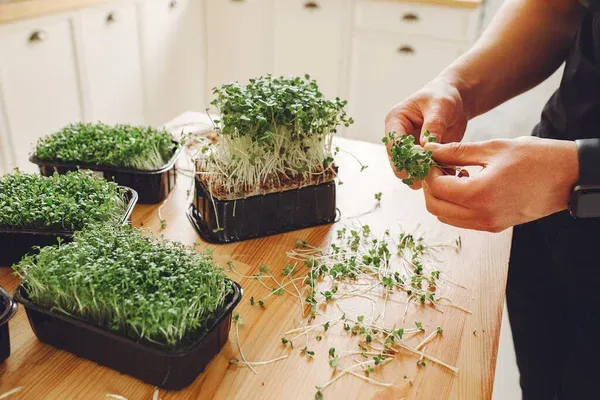
This is the one that changed everything for Connor. Radish microgreens have a bold, peppery kick that wakes up any dish — and their nutritional profile is just as striking as their flavor. They are rich in glucosinolates, sulfur-containing compounds that the body converts into bioactive molecules that support digestion, reduce gut inflammation, and promote healthy blood circulation.
For anyone dealing with sluggish digestion, bloating, or chronic gut discomfort, radish microgreens are a powerful and natural intervention. They stimulate bile production, support the liver's detox pathways, and feed beneficial gut bacteria — all in a tiny handful of greens that took less than a week to grow. They are also one of the fastest-growing microgreen varieties, making them ideal for impatient beginners who want results quickly.
- Flavor profile: Bold and peppery — great on tacos, grain bowls, and avocado toast
- Harvest time: 5 to 6 days — the fastest on this list
- Key nutrient: Glucosinolates — support digestion, circulation, and liver health
- Best for: Gut health, digestion, blood circulation, anti-inflammation
If you find radish microgreens too spicy on their own, pair them with a creamy element like avocado, hummus, or a yogurt-based dressing. The fat content balances the heat and actually helps your body absorb the fat-soluble nutrients more efficiently.
3. Cabbage Microgreens: The Vitamin C Queen

Don't underestimate this mild, earthy green. Cabbage microgreens are one of the most visually beautiful varieties you can grow — their deep purple stems and bright green tops make them a stunning garnish on any dish — but their real power is nutritional. They are exceptionally high in vitamin C, which supports immune function, collagen synthesis, and iron absorption, along with vitamin K, which plays a critical role in bone health and blood clotting regulation.
Cabbage microgreens are also rich in anthocyanins — the same antioxidant pigments that give red cabbage and blueberries their color — which have been associated with reduced risk of heart disease, improved cognitive function, and lower levels of systemic inflammation. Their flavor is mild and slightly sweet, making them one of the most versatile microgreens for people who are new to eating greens regularly.
- Flavor profile: Mild and slightly sweet — beginner-friendly and crowd-pleasing
- Harvest time: 7 to 10 days
- Key nutrients: Vitamin C, vitamin K, anthocyanins
- Best for: Immune support, heart health, inflammation reduction, bone health
- Bonus: Visually striking — green tops with deep purple stems
Cabbage microgreens are one of the best varieties to grow with children. Their dramatic color transformation — from pale sprout to vivid purple-stemmed seedling — makes the growing process visually exciting and educational. They're also mild enough that even picky eaters will enjoy them.
Connor's Story: From Chronic Illness to Clean Eating
Connor Hiebel's relationship with microgreens didn't start as a business idea. It started as a health crisis. At just seven years old, Connor was dealing with unexplained, chronic inflammation — levels that his doctors said were higher than most adults they had treated. The search for answers led his family to explore the connection between diet and inflammation, and that's when microgreens entered the picture.
The results were not subtle. After incorporating microgreens — particularly radish and broccoli — into his daily diet, Connor noticed real, measurable changes. He felt clearer mentally, lighter physically, and more consistently energized throughout the day. The chronic inflammation that had defined his childhood began to subside. It wasn't a cure, but it was a turning point — and it set him on a 14-year path of growing, studying, and sharing the power of microgreens with as many people as possible.
Today, Connor runs Island Microgreens from Amelia Island, Florida, where he has helped thousands of families grow their own food at home. He is a FedEx Sustainability Grant winner, the founder of a Buy-One-Give-One School Program that donates microgreen grow kits to local schools, and the author of a bestselling microgreens guide. His free 10-part Masterclass — normally valued at $250 — is available at no cost at islandmicrogreens.com/101.
Frequently Asked Questions
Which microgreens are best for gut health?
Radish microgreens are widely regarded as the top choice for gut health. They are rich in glucosinolates, sulfur-containing compounds that support digestion, stimulate bile production, and reduce gut inflammation. Broccoli microgreens are a close second, as their sulforaphane content supports the liver's detoxification pathways, which are closely linked to gut function. Cabbage microgreens also contribute to gut health through their anthocyanin and vitamin C content, which support the gut lining and reduce oxidative stress in the digestive tract.
What are the health benefits of broccoli microgreens?
Broccoli microgreens are one of the richest known food sources of sulforaphane, a compound that activates the body's natural detoxification enzymes and has been studied extensively for anti-cancer, anti-inflammatory, and neuroprotective effects. Research from Johns Hopkins University found that broccoli sprouts and microgreens contain 10 to 100 times more sulforaphane than mature broccoli. They are also high in vitamins C, E, and K, beta-carotene, and antioxidants that support immune function and reduce systemic inflammation.
How do radish microgreens support digestion?
Radish microgreens support digestion through several mechanisms. Their glucosinolate content stimulates bile production in the liver and gallbladder, which is essential for breaking down dietary fats and absorbing fat-soluble vitamins. They also contain enzymes and fiber that support the growth of beneficial gut bacteria and reduce bloating. Additionally, their anti-inflammatory compounds help calm irritation in the gut lining, making them particularly beneficial for people with sensitive digestion or conditions like IBS.
Are cabbage microgreens good for you?
Yes. Cabbage microgreens are exceptionally nutritious. They are high in vitamin C, which supports immune function, collagen production, and iron absorption, and vitamin K, which is critical for bone health and proper blood clotting. They also contain anthocyanins associated with reduced cardiovascular disease risk, improved cognitive function, and lower levels of chronic inflammation. Their mild, slightly sweet flavor makes them one of the most accessible microgreens for beginners.
How long does it take to grow microgreens at home?
Most microgreen varieties are ready to harvest within 5 to 10 days of planting. Radish microgreens are among the fastest, typically ready in 5 to 6 days. Broccoli microgreens take 7 to 9 days, and cabbage microgreens take 7 to 10 days. The exact timing depends on temperature, light availability, and water quality. All three varieties can be grown on a kitchen countertop with no special equipment, making them ideal for beginners who want fast, reliable results.
How are microgreens more nutritious than full-grown vegetables?
Microgreens are harvested at the cotyledon stage — the earliest phase of a plant's life — when the seedling has concentrated its full nutritional reserves into a tiny form in preparation for rapid growth. Multiple studies, including research published in the Journal of Agricultural and Food Chemistry, have found that microgreens contain significantly higher concentrations of vitamins, minerals, and antioxidants than their mature counterparts — in some cases up to 40 times more.
Can microgreens help with inflammation?
Yes, several microgreen varieties have well-documented anti-inflammatory properties. Broccoli microgreens are particularly notable for their sulforaphane content, which has been shown in clinical studies to reduce markers of systemic inflammation, including C-reactive protein (CRP). Radish microgreens contain glucosinolates and isothiocyanates that inhibit pro-inflammatory pathways. Cabbage microgreens provide anthocyanins and vitamin C, both of which have antioxidant and anti-inflammatory effects. Incorporating a daily serving of mixed microgreens is one of the most practical dietary strategies for reducing chronic, low-grade inflammation.

Start Growing in 7 Days — Guaranteed
Join thousands of happy growers. Our foolproof kit gives you 40x more nutrients than store-bought greens, right from your kitchen counter — no yard, no experience needed.
🌿 Get Your Grow Kit Get the FREE Masterclass


0 comments